
Bodies, Menstruation, and Autonomy
Shrill: Notes from a Loud WomanThis flow connects Lindy West’s personal experiences of menstruation and abortion to the wider demand that people control their own bodies.
increasing Bearing strength in each event
 decreasing
Bearing strength in each eventdecreasingLearning to Distrust the Body
Natural Functions as Threats
Body Changes
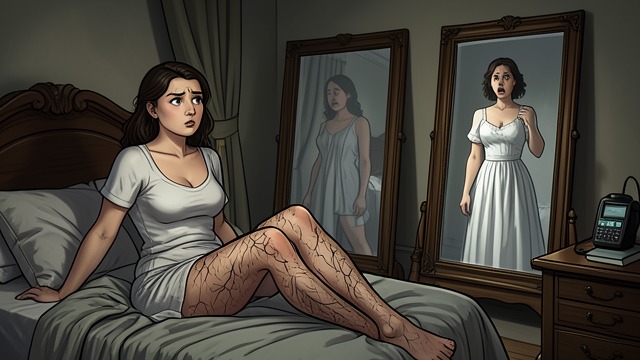
Lindy experiences leg hair, menstruation, and sexual development as sources of embarrassment and possible betrayal. Euphemism and silence make ordinary bodily processes feel alien.
The Larger Lesson
The body is presented to her as something to manage for others’ comfort. That early lesson prepares the ground for a broader cultural message that a woman’s body is never entirely her own.
Silence Around Periods
A Taboo in Daily Life
Private Distress
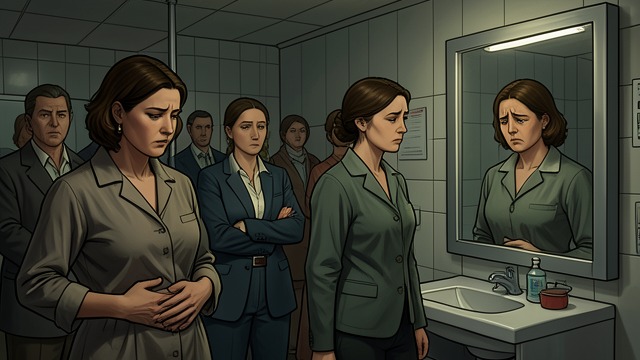
Lindy hides her period and avoids saying its name in public. Her practical needs become harder to meet because she treats them as unspeakable.
A Public Consequence
She argues that menstrual stigma is not harmless embarrassment: it shapes whether people can discuss health and seek care. The taboo teaches both girls and boys to view ordinary reproductive functions as shameful.
A Pregnancy She Does Not Want
A Decision About the Future
The Result
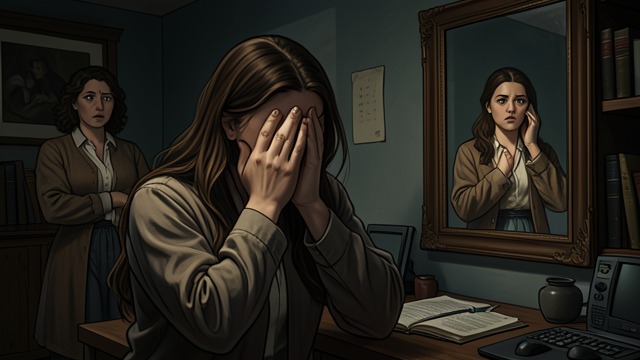
Lindy learns that she is pregnant while in a lonely relationship that cannot provide the family she wants. She distinguishes a future desire for a child from wanting this pregnancy now.
Bodily Autonomy
Her eventual decision follows her own assessment of the life she wants. It is neither a general rule for others nor an apology for choosing not to continue the pregnancy.
Access Is Not Automatic
A Routine Procedure Made Difficult
Institutional Separation
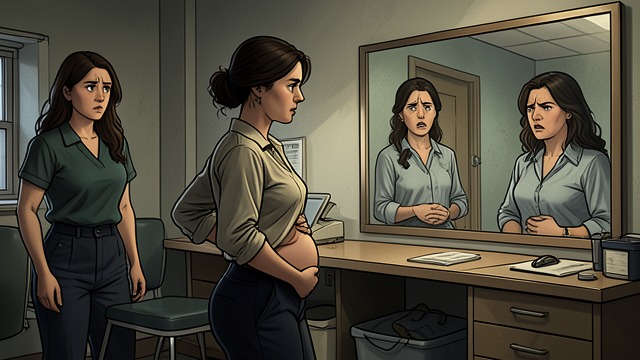
Lindy’s usual doctor cannot provide the abortion, and the clinic requires advance payment. The legal availability of care does not eliminate the practical obstacles of referrals, waiting, and money.
Privilege and Help
A clinic director agrees to let Lindy pay later, and Lindy reflects on how easily she could also have turned to family. Her experience shows that access is shaped by resources and human decisions, not law alone.
Rejecting a Single Abortion Story
Making Room for Difference
Against Required Trauma
Lindy resists the claim that every abortion must be devastating or regretted. Her story is ordinary in some ways and complicated by a relationship, shame, money, and fear of adulthood.
The Right to Decide
She insists that people who are pregnant must decide whether to continue a pregnancy, without proving that their reasons meet an outside standard. Speaking openly challenges the stigma that makes access harder.
childhood and puberty
adolescence
age twenty-seven
the week of the abortion appointment
when Lindy writes about the experience
